Ottawa VIP · Homeowner resource · 2026
Backwater Valve Installation in Ottawa: Homeowner’s Guide (2026)
A practical Ottawa guide to backwater valve installation: how it works, permits, City rebates, project steps, maintenance and what a valve cannot protect.
A backwater valve helps protect a home from a sanitary sewer backup by allowing wastewater to flow out under normal conditions and closing when flow tries to reverse toward the house. In Ottawa, installation is a site-specific plumbing project: the sewer route, lower-level fixtures, permit and inspection requirements, restoration scope and access for future maintenance all matter.
- Ottawa requires valves on sanitary service laterals in new single, semi-detached, row-house and townhome dwelling units.
- The City lists up to $1,000 for an eligible indoor sanitary valve under its Residential Protective Plumbing Program.
- A valve can help with sewer reversal; it cannot stop groundwater, surface runoff, a failed sump pump or every cause of basement water.
What does a backwater valve do?
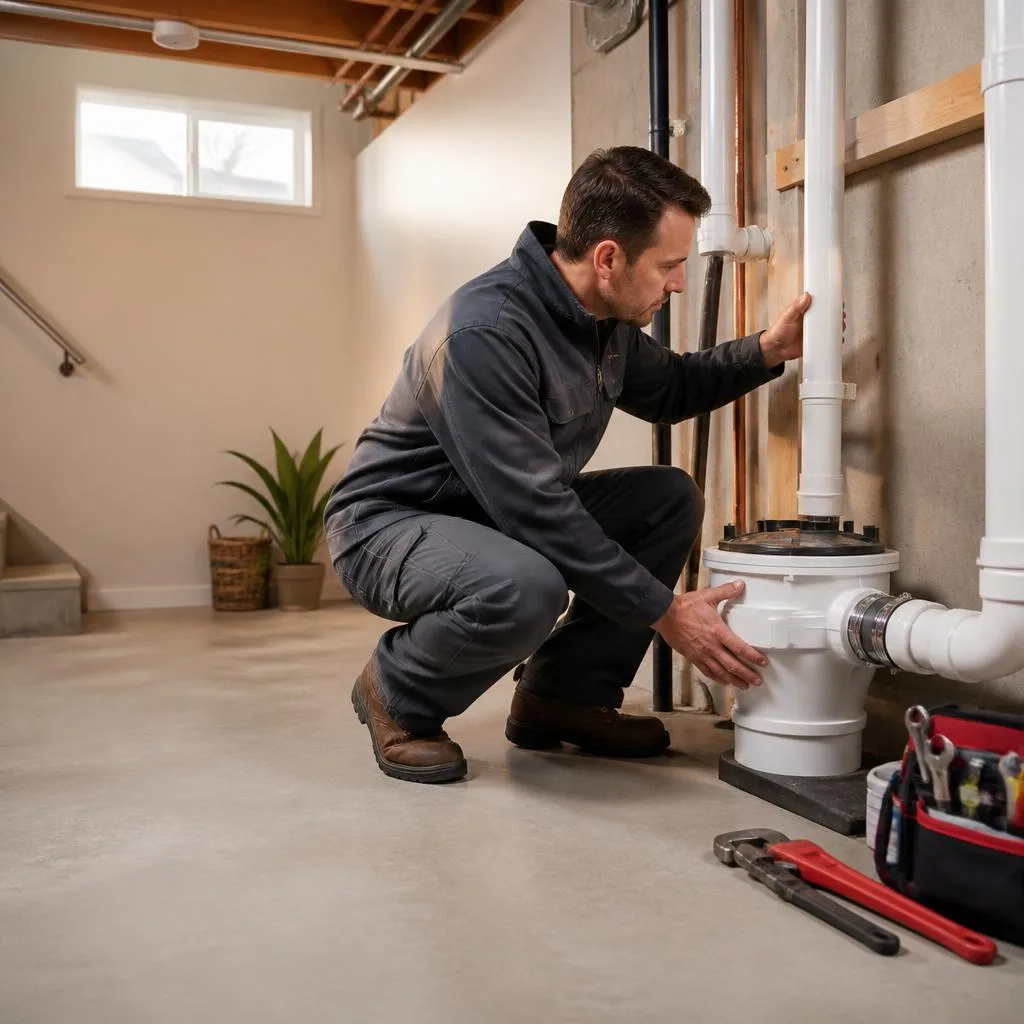
A backwater valve—also called a sanitary backwater valve or sewer-backup valve—is installed on a building drain so wastewater can travel from the home toward the municipal sewer. A hinged gate or flap stays open during ordinary drainage. If sewer water reverses toward the property, the moving water pushes the flap closed and can block that reverse path. When the pressure drops, the mechanism can reopen and normal drainage can resume.
“Can block” is the important phrase. A valve is a protective measure, not a guarantee against all water damage. It protects only the plumbing fixtures connected on the house side of the correctly placed device. If a basement bathroom branch, floor drain or laundry connection is arranged differently, the protected area can differ. A plumber needs to trace the actual drainage layout rather than assume the valve protects every fixture.
The term is also different from a drinking-water backflow preventer. A backwater valve belongs on a wastewater drainage line. A potable-water backflow device protects the drinking-water system against contamination and is governed by a separate program. If a quote or discussion uses “backflow” and “backwater” interchangeably, ask which system and which device are meant.
Normal flow exits toward the sewer. During reverse flow, the valve flap closes. This illustration is conceptual; it is not an installation plan.
Why Ottawa homeowners consider sewer-backup protection
Ottawa’s basement-flooding guidance describes more than one possible source of water, including sewer issues and overland water. Intense rain, rapid snowmelt, a blockage or a sewer main under surcharge can place stress on a private service connection. Lower-level fixtures are vulnerable when wastewater has an easier route into the home than onward through the system. A sanitary backwater valve is designed for that reverse-flow scenario—not for every storm-related hazard.
Housing age alone does not diagnose risk. Older homes may have legacy drains, changing renovations or hard-to-reach cleanouts; newer homes have different code and permit histories. The useful questions are practical: Has a backup happened before? Which fixtures sit below street level? Where is the cleanout? Are there floor drains or a basement bathroom? Has the building drain been camera-inspected? Was a valve installed previously, and can it be reached?
A slow drain or gurgling fixture is not proof that a valve is missing. Roots, deposits, a damaged pipe, a local blockage, a venting issue or a municipal main problem can produce similar symptoms. If a home has active sewage coming in, prioritize safety and report the flooding to the City rather than waiting for a renovation quote. For general plumbing context, see the Ottawa plumbing guide and Ottawa Plumbing Now spotlight.
What happens during professional installation?
1. Review the home and the problem. A useful assessment starts with the symptoms, prior backup history, basement fixtures, visible cleanouts, unfinished or finished flooring and any past sewer work. Photos and old permit documents can be useful, but they do not replace an on-site review.
2. Confirm the drain route and scope. The installer determines where the building drain runs and how a valve could protect the intended fixtures. A camera inspection may help after access to the drain is established. It can reveal some blockages, roots, offsets or defects, but it cannot assess every pipe or every source of basement water.
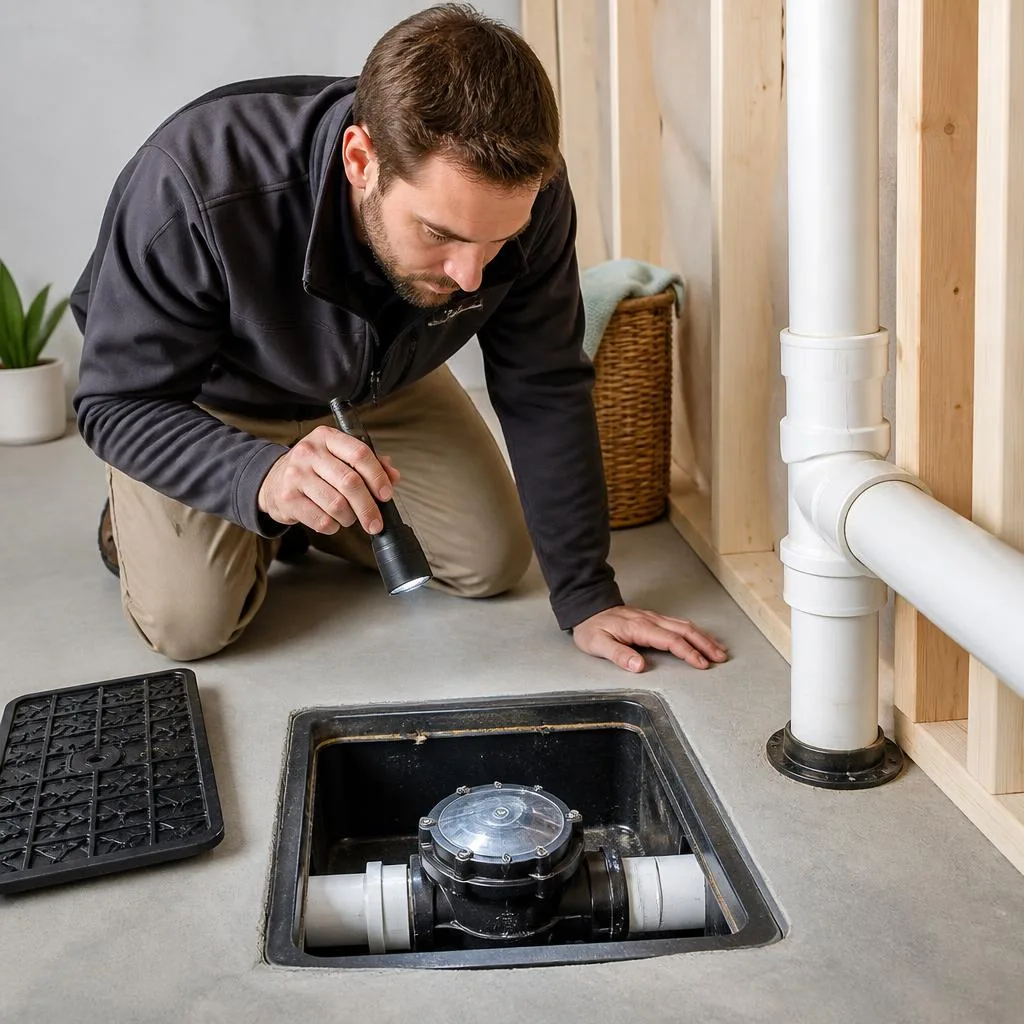
3. Plan permits, access and restoration. The scope should identify the proposed location, concrete opening, valve access cover, inspection point and expected restoration. The City’s permit page describes permit applications, required plans and inspections. Confirm who obtains the permit, when inspection is scheduled and what the quote includes before work starts.
4. Install and verify the device. The valve must suit the drain, face the correct direction and sit so normal wastewater can drain as intended. A professional checks access and operation as part of the job, then coordinates required inspection before the opening is closed or finished.
5. Leave a clear handoff. Ask the installer to identify the access cover, explain how the valve behaves during a backup, provide any product information and describe the recommended maintenance routine. Keep the paid invoice, permit and inspection documents together; those records may be needed for future service or a rebate application.
For an Ottawa-specific service description and a property assessment, review backwater valve installation in Ottawa. The page describes Lister Plumbing’s installation and rebate-documentation support; the right scope and eligibility still depend on the home and current City rules.
Ottawa permits, inspections and the 2026 rebate
The City of Ottawa backwater-valve page says all new single, semi-detached, row-house and townhome dwelling units require a valve on the sanitary service lateral. It says the device must be inside the dwelling, accessible for inspection and maintenance, and inspected to the applicable Ontario Building Code requirements. Existing-home work has its own permit and inspection process; ask the City or your licensed contractor what applies to your project before opening concrete.
The City’s Residential Protective Plumbing Program currently lists a maximum $1,000 rebate for an indoor sanitary backwater valve and says the rebate is the lesser of the maximum or the eligible work cost. Eligibility is tied to the property, installation type, building permit and program terms. Its published rules include age cut-offs—before January 1, 2012 for a sanitary valve—and exclude maintenance, repair and replacement of existing protective devices.
Read the current form and timing carefully. The City’s program page includes a July 1, 2026 update changing the deadline to 18 months, while a later instruction on the same page still says 12 months. Because the page contains both statements, confirm the applicable deadline directly with the City before relying on a date. Do not treat a maximum rebate as approval or as an upfront discount.
Keep the valve reachable and follow its maintenance plan
A device that is buried under new flooring, storage or a sealed finish cannot be checked when it matters. Keep the access cover identifiable and reachable. Ask the installer for the manufacturer’s instructions and the recommended inspection interval for the specific model. Debris, wipes, grease or other material can interfere with a moving flap; do not flush anything that the product or utility advises against.
Do not assume every homeowner should open the valve or handle sewage exposure. Follow the installation manual and the plumber’s safety guidance; use a qualified professional if the cover is stuck, the device is damaged, there is standing water or you are unsure how to proceed. After any backup event, have the valve checked before treating it as ready for the next one. Keep water use low while the gate is closed, since wastewater from inside the home cannot pass through it to a surcharged sewer.
Photographing the access point and filing the permit, invoice and model details with the home records makes future maintenance easier. If you are planning a basement renovation, identify the device before moving a bathroom, adding a floor drain or pouring a new slab. A layout change can change which fixtures are protected and whether the access remains usable.
What a backwater valve does not protect
A sanitary valve does not stop surface water flowing toward a foundation, seepage through a wall or floor, a leaking window well, a failed sump pump, a roof-leader issue or a water-supply leak. It also does not increase the capacity of a municipal sewer. If the valve closes, the protected fixtures temporarily cannot send wastewater out; running a washing machine or flushing toilets can therefore create another problem inside the home.
Think in terms of water pathways. A plumber can assess the building drain; a foundation or drainage professional may need to assess grading, surface runoff, foundation cracks or sump performance. The City of Ottawa recommends contacting the insurer after flooding and gives safety guidance, including avoiding contact with water near electrical outlets or appliances. Use the City’s basement flooding resources for current reporting and response information.
If a contractor recommends a valve, ask which fixtures it protects and what other pathways remain. A credible plan makes both its benefit and its limits clear.
Backwater valve installation FAQs
What does a backwater valve do?
A backwater valve is a one-way device on a building drain. It normally allows wastewater to flow out, then closes when sewage tries to flow backward toward the home. It can reduce sanitary sewer-backup risk for the fixtures served by that line, but it does not prevent every kind of basement flooding.
Does every Ottawa home need a backwater valve?
Ottawa requires backwater valves on sanitary service laterals for new single, semi-detached, row-house and townhome dwelling units. Existing homes should be assessed individually; age, plumbing layout, previous backups, renovations and the applicable permit requirements matter.
Can I install a backwater valve myself?
This work can involve a building drain, concrete cutting, permits and inspection. The City of Ottawa requires a permit for qualifying work and an inspection. Have a qualified plumbing professional determine the scope and confirm current requirements rather than treating this as a do-it-yourself project.
How much does a backwater valve installation cost in Ottawa?
There is no reliable one-price answer: excavation, pipe access, concrete and flooring restoration, diagnostic work, valve location, permit and inspection requirements all affect the quote. Get a written, property-specific scope and compare what is included; do not assume the City rebate will cover the entire bill.
Does Ottawa offer a rebate for a backwater valve?
The City’s Residential Protective Plumbing Program lists a maximum rebate of $1,000 for an indoor sanitary backwater valve, subject to eligibility and the cost of the work. The City says it rebates the lesser of the maximum amount or eligible cost. Check the live program rules before arranging work.
What should I do if the valve closes during a sewer backup?
Stop using toilets, sinks, showers, dishwashers, washing machines and other fixtures draining to the protected line while the valve is closed; wastewater needs somewhere to go. Follow your installer’s instructions, contact the City if you suspect a public sewer issue, and avoid entering standing water near electrical equipment.
Sources and further reading
- City of Ottawa: Backwater valves, permits and inspections.
- City of Ottawa: Residential Protective Plumbing Program (eligibility and maximum rebate amounts checked October 11, 2026).
- City of Ottawa: Basement flooding information.
Ottawa VIP prepared this educational guide from the cited public sources. It is not a site inspection, plumbing design, code ruling, rebate approval or substitute for advice from the City and a qualified professional. Requirements can change; verify them before work begins.